
When the World Can Wait…
“Avoid unnecessary foreign travel for at least one year. Channel that energy, that rupee, toward building India from within.” — Prime Minister Narendra Modi, Hyderabad, 2026
India asked us to pause international travel. The travel industry heard of a crisis. We heard an invitation — to finally look inward, walk slower, and discover what was always here.
01 : The Moment : The Rupee Dipped
Our Perspective Didn’t Have To.
In a gathering address at Hyderabad, Prime Minister Modi asked something unusual of India’s citizens — a civic Satyagraha of sorts. Avoid unnecessary foreign travel. Skip the gold purchase. Reduce the outflow. The backdrop is real: the rupee weakened past ₹96 to the dollar under pressure from global oil prices, geopolitical conflict spillovers, and capital outflows. Overseas travel spending, which peaked at ₹1.65 billion in January 2026, has been declining steadily month-on-month.
For those of us in the travel industry, the first instinct was worry. Bookings to Bali, Singapore , & Barcelona would drop. Educational trips to Seoul, Tokyo, and London would be reconsidered. The business model felt threatened.
But sit with the idea a little longer, and something shifts. What if this is the moment we’ve been waiting for — to build the kind of travel that India always deserved but never got?
India spends over $1 billion every month on overseas travel. Even a fraction redirected inward could fund an entire ecosystem of community tourism, artisan livelihoods, and student experiential learning programmes — without a single rupee leaving our borders.
02 : The Opportunity
Vocal for Local. But Make It Transformative.
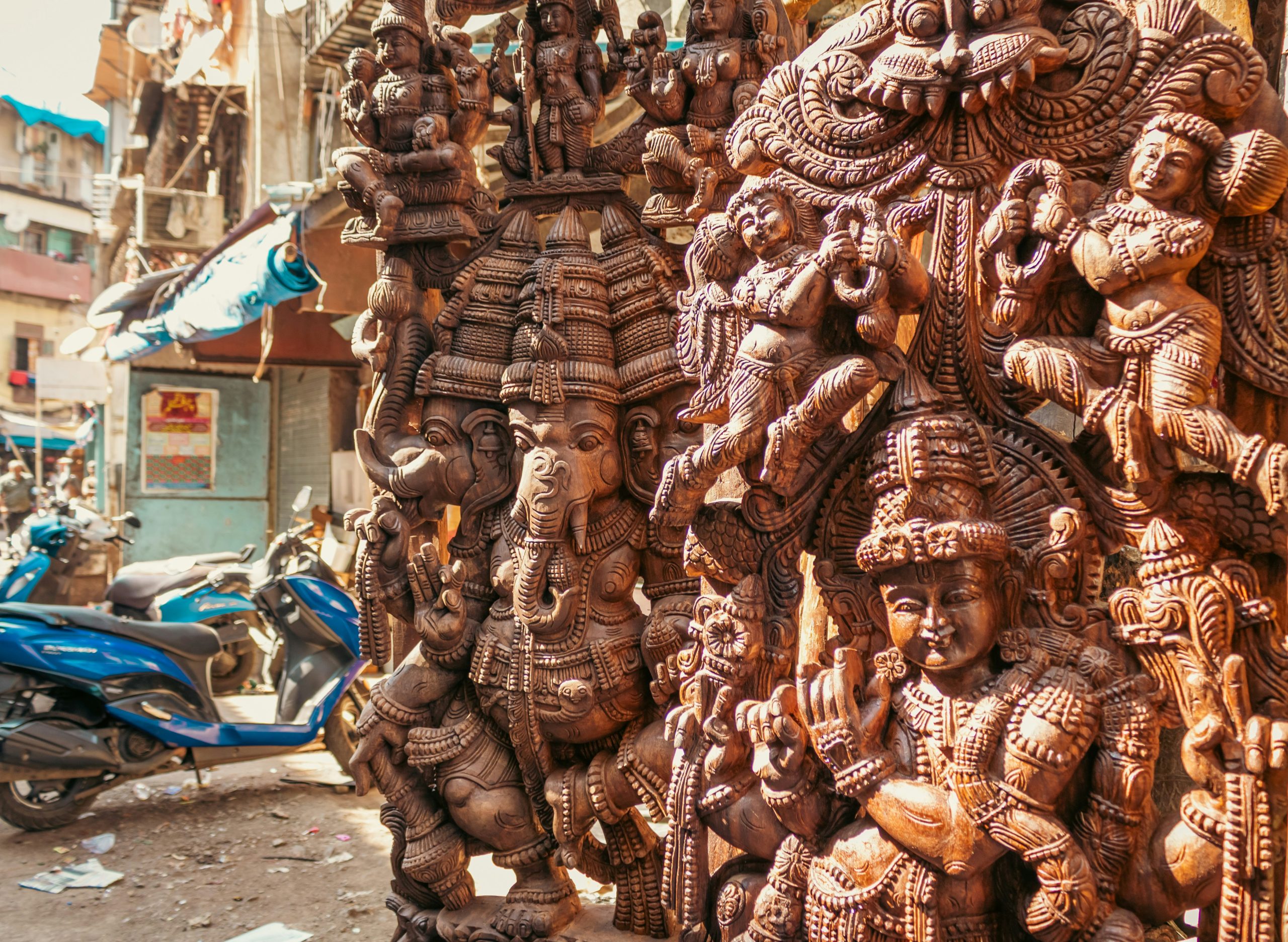
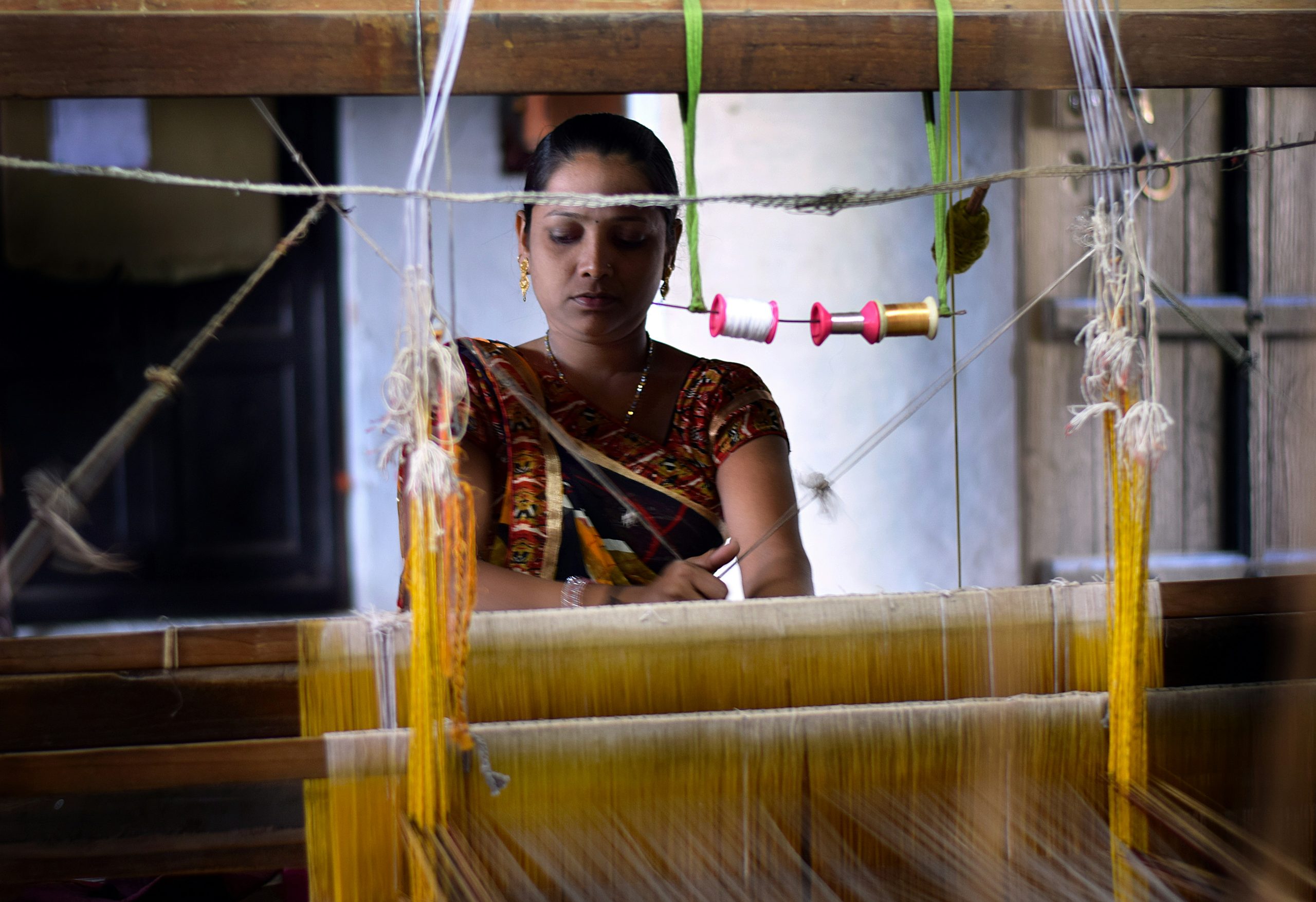
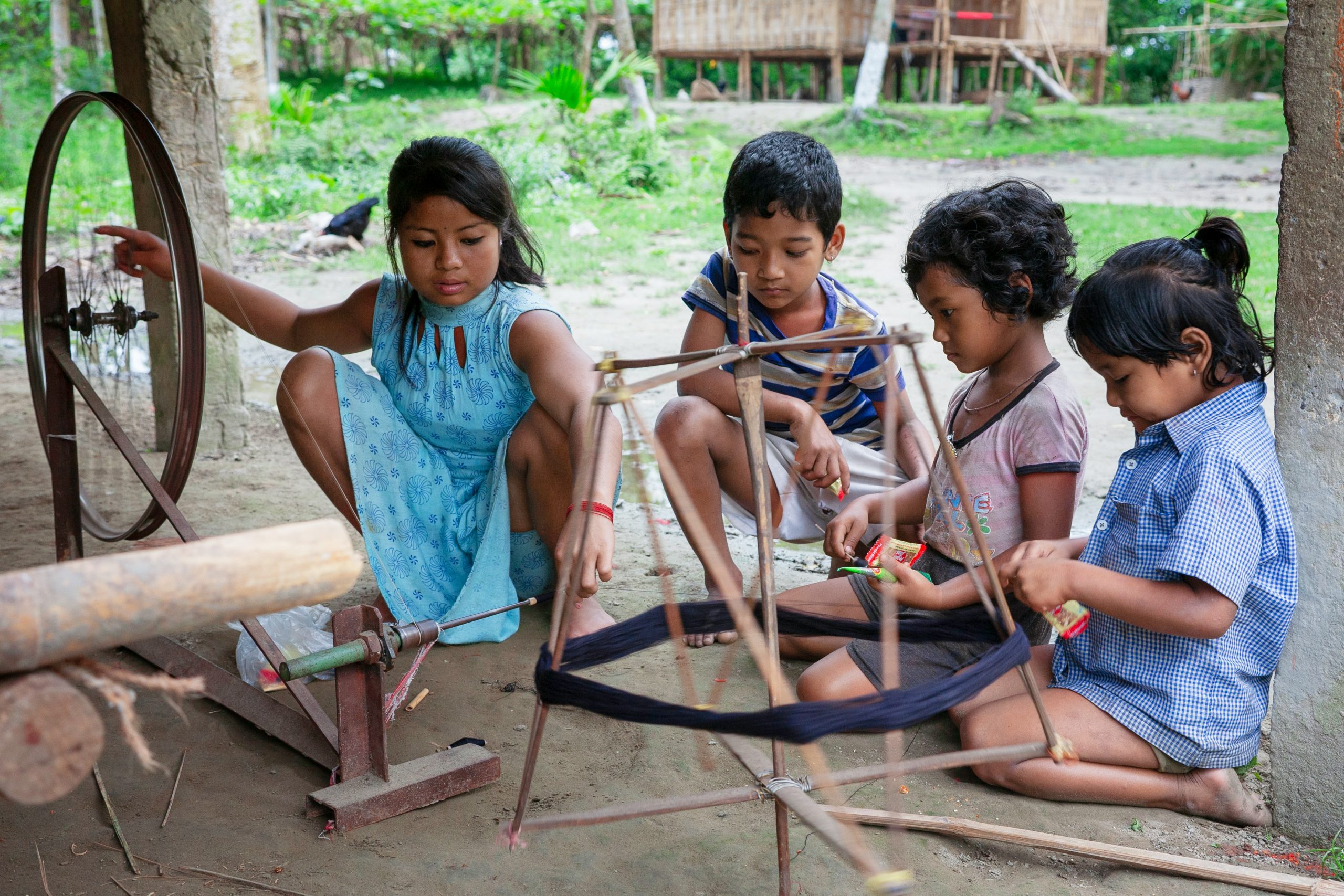
“Vocal for Local” was first a shopping campaign. But travel is the deepest form of local engagement. When students walk through a weavers’ colony in Maheshwar, when they assist in a natural dye workshop in Kutch, when they perform alongside folk musicians in Odhisa — they don’t just support locals. They become local, for a week, for a month, for a lifetime of values.
This is not about downgrading international experiences. It’s about recognising the world’s most extraordinary classrooms, the villages that taught civilisations, the traditions that gave Europe its museums — many of them are still alive, still breathing, still teaching, right here in India.
And they are quietly dying. Not from lack of beauty. From lack of footfall. From the lack of a purposeful visitor who arrives with open eyes and a willingness to participate, not just photograph.
The student traveller is the most powerful visitor a village can receive. They ask questions. They document. They care. They return. And they tell everyone back home what they witnessed. This is not charity tourism — it is cultural reciprocity.
03 : The Destinations
India’s Living Classrooms
Villages, towns, and heritage pockets that are not just destinations — they are entire curricula waiting to be walked through. Each one a CAS project, a science module, a history lesson, and a life lesson, all at once.
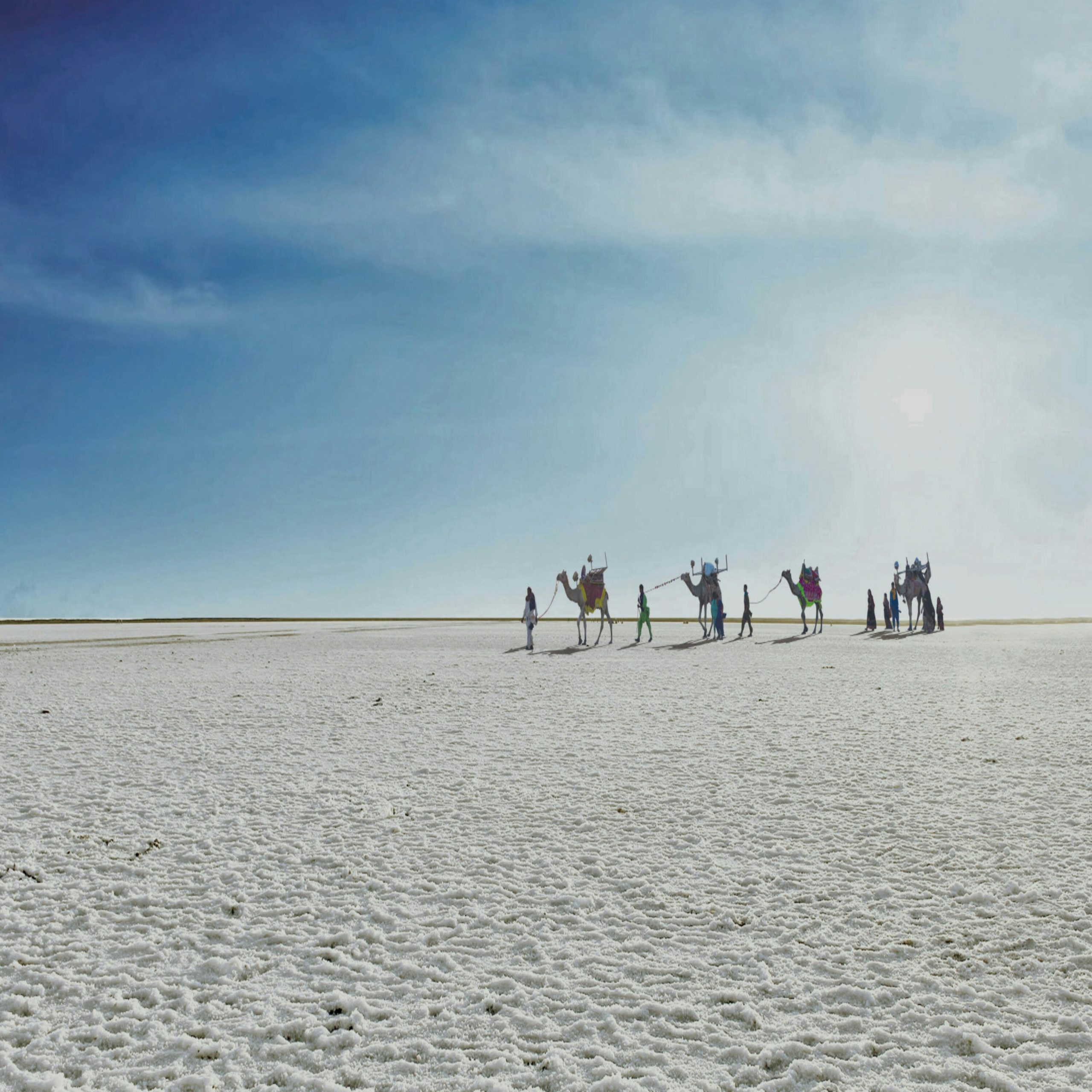
Kutch ,Gujarat
Home to 16 distinct craft traditions — Rogan art, Ajrakh block printing, Rabari embroidery. A desert landscape that holds the soul of Indian textile heritage. The Rann Utsav alone draws thousands, but the villages behind it need year-round attention.
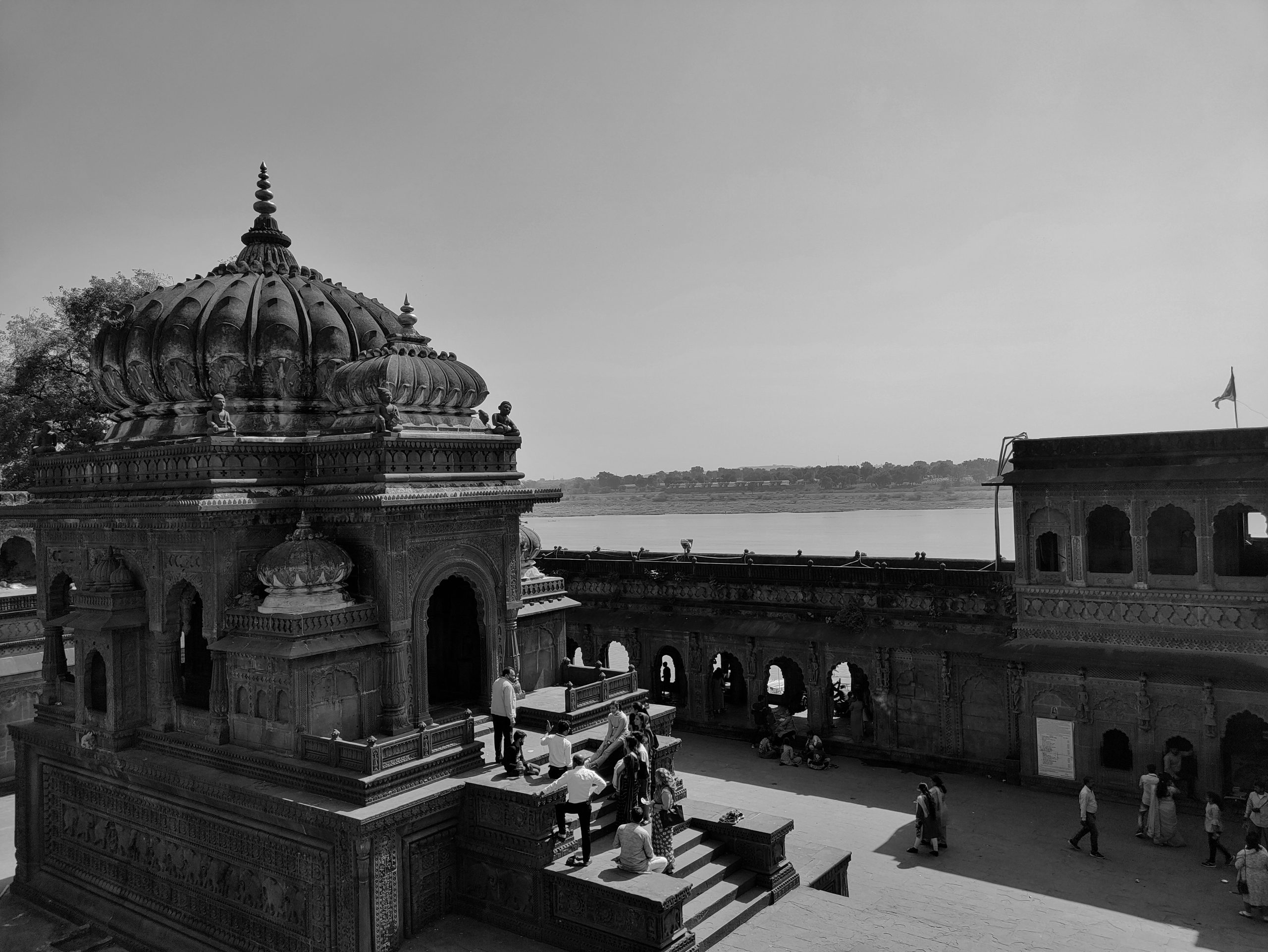
Maheshwar, Madhya Pradesh
On the banks of the Narmada, Maheshwari sarees have been woven for over 300 years. The Rehwa Society trains local women weavers. Student volunteers can map weaving families, document patterns, and participate in the revival of an art that is both livelihood and legacy.
HandloomCAS: ServiceHeritage
Raghurajpur Odisha
India’s only “Heritage Crafts Village” — every single household is a practicing artist. Pattachitra paintings, palm leaf engravings, stone and wood carvings. Walking its single lane is like turning pages of a living art book. Students can co-create and commission directly from masters.
PattachitraCAS: CreativityHeritage Craft
Hampi Karnataka
Once the world’s second-largest city — the Vijayanagara Empire. Today a UNESCO site living in slow decay and slow revival. Students can contribute to documentation projects, archaeological surveys, and community-based tourism design that respects the site while generating income for locals.
UNESCO HeritageCAS: ServiceCommunity
Mawlynnong Meghalaya
Voted Asia’s cleanest village — but more than that, a living model of community-led ecology. The Khasi community here practices root-bridge architecture and zero-waste living. Students in environmental science will find this to be the most visceral classroom they’ll ever enter.
EcologyCommunity MgmtCAS: All Strands
Bastar Chhattisgarh
Tribal India at its most raw and reverential. Dhokra metal casting, tribal dance, Gondh art, and forest medicine systems. The Bastar Dussehra is the world’s longest festival. A sensitive student trip here can generate documentation and advocacy that these communities desperately need.
Tribal ArtDhokra MetalCAS: Service
Valparai & Kumbalangi, Kerala
Kumbalangi — India’s first model tourism village — is a live case study in how a fishing community redesigned itself. Coir weaving, toddy tapping, backwater ecology, and waste management innovations all coexist. For IB students, it’s an entire Unit of Inquiry materialised.
Model VillageEcologyCAS: All Strands
Shekhawati Region Rajasthan
Open-air museum of the world — havelis covered floor-to-ceiling in frescoes painted by unknown masters. Mandawa, Nawalgarh, Fatehpur. The paintings are fading. The families who own the havelis can’t maintain them. Students can contribute to conservation documentation and interpretation.
Fresco ArtConservationCAS: Creativity
03B : Beyond the Border, Within the Rupee
Nepal · Bhutan · Sri Lanka
Travel Abroad. Spend in INR.
Travel Abroad. Spend in INR.
These three neighbours occupy a unique position in this conversation — they accept the Indian Rupee widely, meaning your foreign exchange doesn’t bleed when you travel here. For schools and student groups, this is the sweet spot: the experience of international travel, the cultural richness of a distinct nation, and zero LRS drain on the currency India is trying to protect.
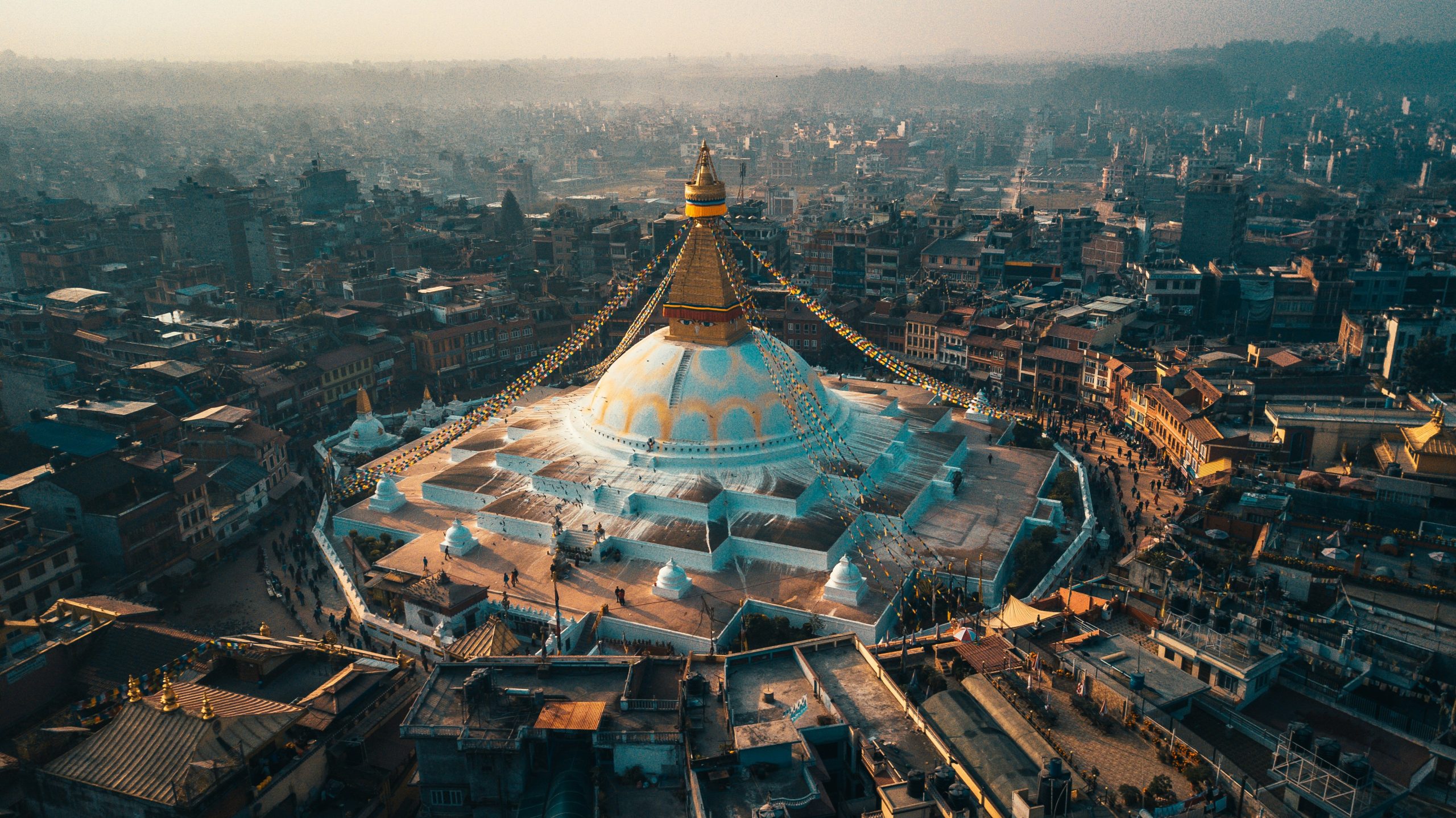
Nepal
₹ INR Widely Accepted
₹ INR Widely Accepted
Indian Rupees are accepted across Nepal in tourist areas and border regions. ₹100, ₹200, and ₹500 notes are legal tender since December 2025, and Indian travellers can carry up to the equivalent of $5,000 in INR. The Nepalese Rupee is pegged to INR at ₹100 = NPR 160.
Lumbini — birthplace of Buddha: deep CAS service potential
Living Goddess (Kumari) traditions of Kathmandu
Newari craft trails: thangka painting, metalwork, woodcarving
Community homestays in the Annapurna foothills
Pokhara conservation & ecology programmes
Pashmina artisan cooperatives in Kathmandu Valley
Newari craft trails: thangka painting, metalwork, woodcarving
Community homestays in the Annapurna foothills
Pokhara conservation & ecology programmes
Pashmina artisan cooperatives in Kathmandu Valley
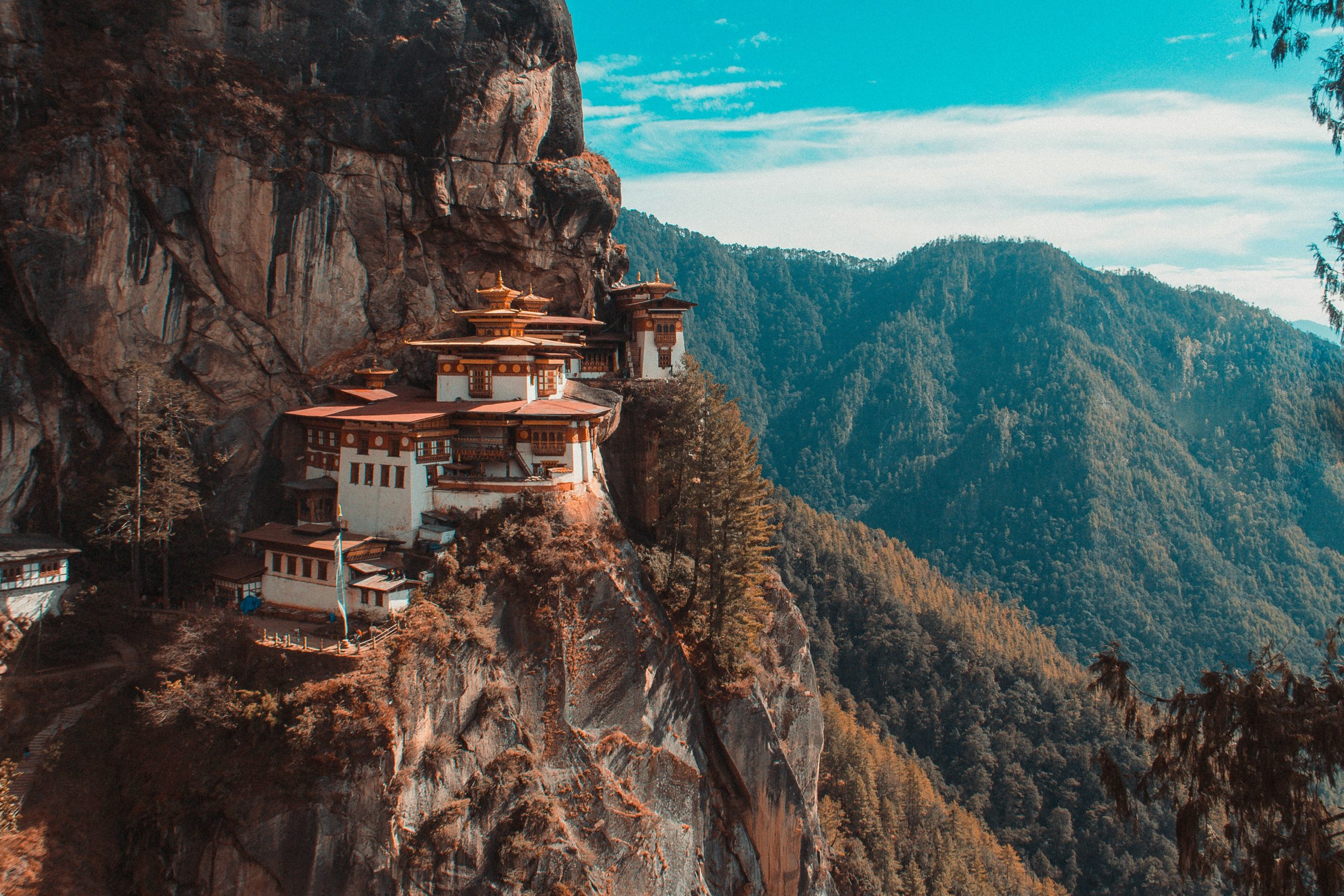
Bhutan
₹ INR Legal Currency
₹ INR Legal Currency
Bhutan’s Ngultrum is pegged 1:1 with the Indian Rupee, and INR is accepted everywhere as legal currency — in shops, hotels, and dzongs. No forex conversion needed at all. The RBI has further extended INR lending facilities to Bhutan as part of deepening the financial relationship.
Gross National Happiness — extraordinary for I B ToK & CAS reflection
Zorig Chusum: Bhutan’s 13 traditional arts, taught in royal schools
Tiger’s Nest Monastery: a trek with cultural depth unlike any other
Carbon-negative ecology and forest conservation projects
Tsechu mask dance festivals — live performing arts
Farm-to-table organic agriculture immersions in Punakha
Zorig Chusum: Bhutan’s 13 traditional arts, taught in royal schools
Tiger’s Nest Monastery: a trek with cultural depth unlike any other
Carbon-negative ecology and forest conservation projects
Tsechu mask dance festivals — live performing arts
Farm-to-table organic agriculture immersions in Punakha
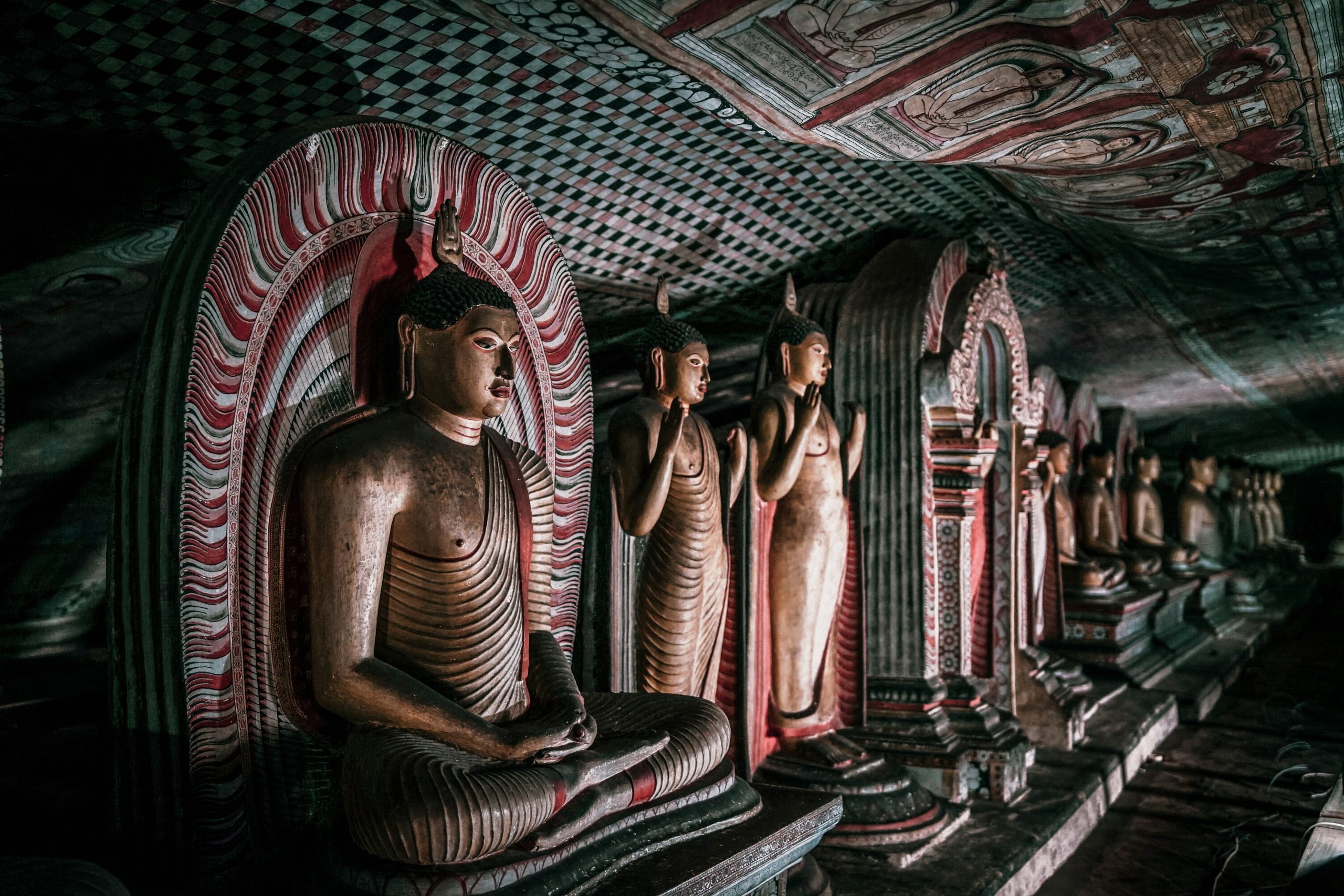
Sri Lanka
₹ INR Designated Foreign Currency
₹ INR Designated Foreign Currency
Sri Lanka officially designated the Indian Rupee as a foreign currency in August 2022, recognising deep trade and tourism ties. INR is accepted at many tourist establishments and forex counters. The RBI extended INR lending to Sri Lankan residents in 2025, further strengthening the corridor.
Dumbara mat weaving & Kandyan craft traditions
Sigiriya & Anuradhapura — living heritage conservation
Sinharaja rainforest biodiversity projects
Barefoot cooperative: ethical craft-to-market model study
Tamil community cultural exchange in Jaffna
Ambalangoda mask carving — ritual art still practiced today
Sigiriya & Anuradhapura — living heritage conservation
Sinharaja rainforest biodiversity projects
Barefoot cooperative: ethical craft-to-market model study
Tamil community cultural exchange in Jaffna
Ambalangoda mask carving — ritual art still practiced today
For school trip planners: All three nations minimise foreign exchange outlay when INR is used directly. Bhutan requires no currency conversion at all. Nepal and Sri Lanka work best with a mix of INR and local currency for small vendors — carry ₹100 and ₹200 notes for maximum acceptance. The rupee stays in the neighbourhood. The learning comes home.
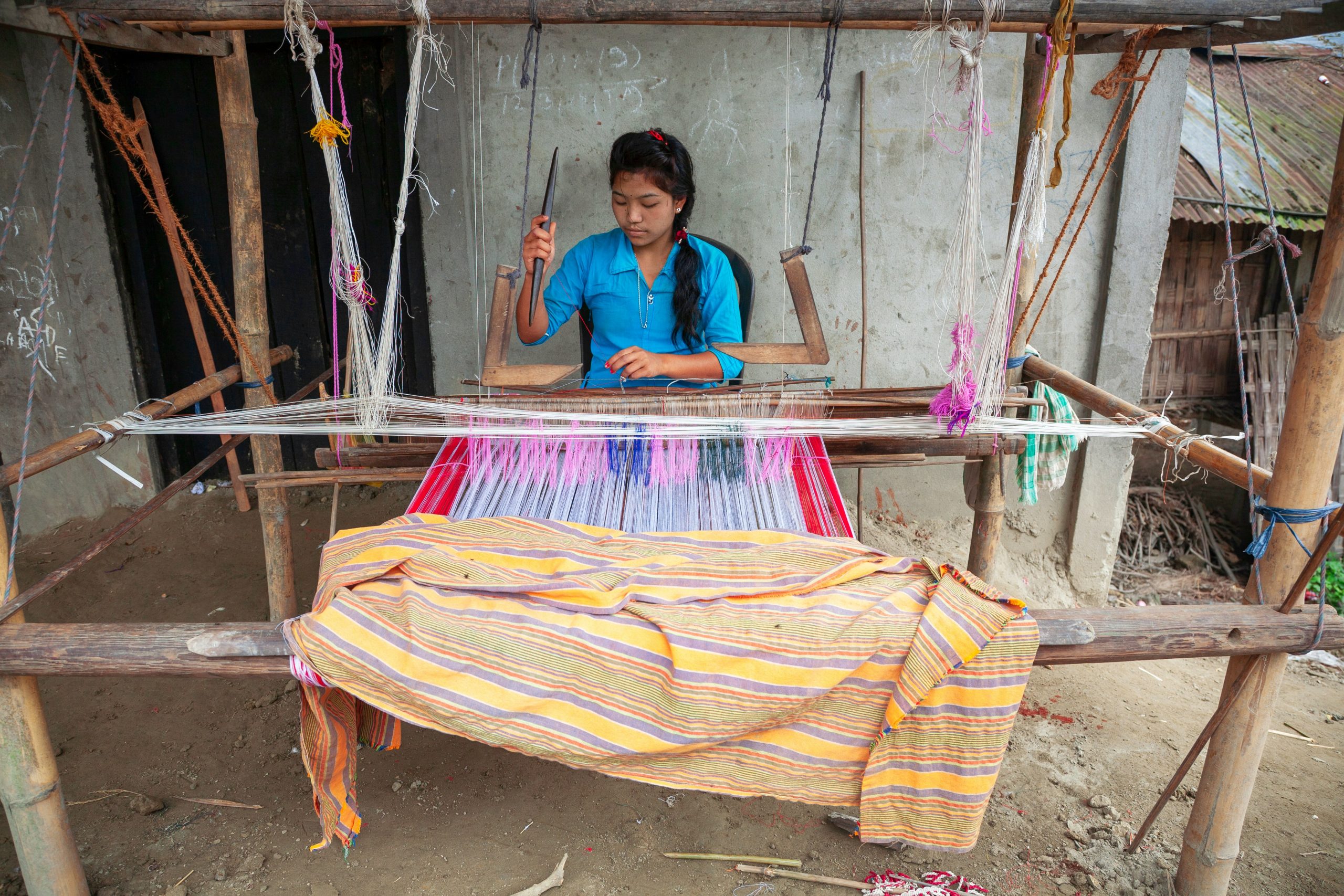
04 : The CAS Framework
Domestic Travel as a
Complete CAS Experience
For IB schools, the challenge has always been designing CAS with depth, reflection, and real-world stakes. A domestic village trip, designed well, ticks every single strand — not superficially, but with an authenticity that even the best international service-learning programmes struggle to match.
Creativity
Learn & document a traditional craft
Co-design with local artisans
Create visual narratives of heritage
Compose music inspired by folk forms
Photography & oral history projects
Co-design with local artisans
Create visual narratives of heritage
Compose music inspired by folk forms
Photography & oral history projects
Activity
Trek through living forest ecosystems
Participate in traditional farming
Learn martial folk arts like Chhau
Village construction activities
Community kitchen & food systems
Participate in traditional farming
Learn martial folk arts like Chhau
Village construction activities
Community kitchen & food systems
Service
Digital documentation of oral traditions
Teaching English or digital literacy
Mapping artisan cooperatives
Eco-restoration with tribal groups
Helping artisans reach digital markets
Teaching English or digital literacy
Mapping artisan cooperatives
Eco-restoration with tribal groups
Helping artisans reach digital markets
₹0 : Foreign Exchange Lost
7M+ Artisans Need Visibility
1200+ Craft Traditions at Risk
∞ CAS Hours Available
7M+ Artisans Need Visibility
1200+ Craft Traditions at Risk
∞ CAS Hours Available
05 : The Blueprint
How to Build a Student Village Trail
Designing a domestic student trip that generates real impact — for communities, for the curriculum, and for the students themselves — requires moving beyond the itinerary and into the ecosystem. Here’s how we approach it.
1 Choose a Living Tradition, Not Just a Location
Don’t pick a place because it’s famous. Pick it because something there is alive and at risk — a dying craft, an ageing master, a language, a seed variety, a folk performance. The student’s purpose then becomes preservation, not just tourism.
Don’t pick a place because it’s famous. Pick it because something there is alive and at risk — a dying craft, an ageing master, a language, a seed variety, a folk performance. The student’s purpose then becomes preservation, not just tourism.
2 Partner Directly with Community Cooperatives
Bypass the middleman. Work with craft cooperatives, self-help groups (SHGs), tribal welfare boards, and NGOs already embedded in these communities. Your school’s spending becomes a direct income injection into artisan households — not resort profits.
Bypass the middleman. Work with craft cooperatives, self-help groups (SHGs), tribal welfare boards, and NGOs already embedded in these communities. Your school’s spending becomes a direct income injection into artisan households — not resort profits.
3 Design the Pre-Trip as Deeply as the Trip
Students who arrive knowing the history of Pattachitra or the mythology of Chhau will extract ten times more meaning from their visit. Build a four-week pre-trip classroom module: art history, community economics, language basics, ethical photography.
Students who arrive knowing the history of Pattachitra or the mythology of Chhau will extract ten times more meaning from their visit. Build a four-week pre-trip classroom module: art history, community economics, language basics, ethical photography.
4 Create Deliverables That Remain with the Community
Every student group should leave something behind — a photographed archive, a digital catalogue of an artisan’s work, a painted mural in the school, a restored section of signage. The village should be tangibly better for their having visited.
Every student group should leave something behind — a photographed archive, a digital catalogue of an artisan’s work, a painted mural in the school, a restored section of signage. The village should be tangibly better for their having visited.
5 Document, Amplify, Return
Students return as ambassadors — to their school, to their social media, to their families. The artisan they worked with gets tagged, shared, and potentially receives their first international order. The trip doesn’t end when the bus leaves. It just moves into a new phase.
Students return as ambassadors — to their school, to their social media, to their families. The artisan they worked with gets tagged, shared, and potentially receives their first international order. The trip doesn’t end when the bus leaves. It just moves into a new phase.
“ Travel is the only purchase that makes you richer. Let India make you the wealthiest person in the room.”
We’ve spent decades telling students that the world is out there — in Tokyo, in London, in Cape Town. And it is. But before we send them outward, let’s send them inward. Let them walk barefoot in Hampi. Let them sit at a loom in Maheshwar. Let them watch a Chhau dancer become a tiger at dusk.
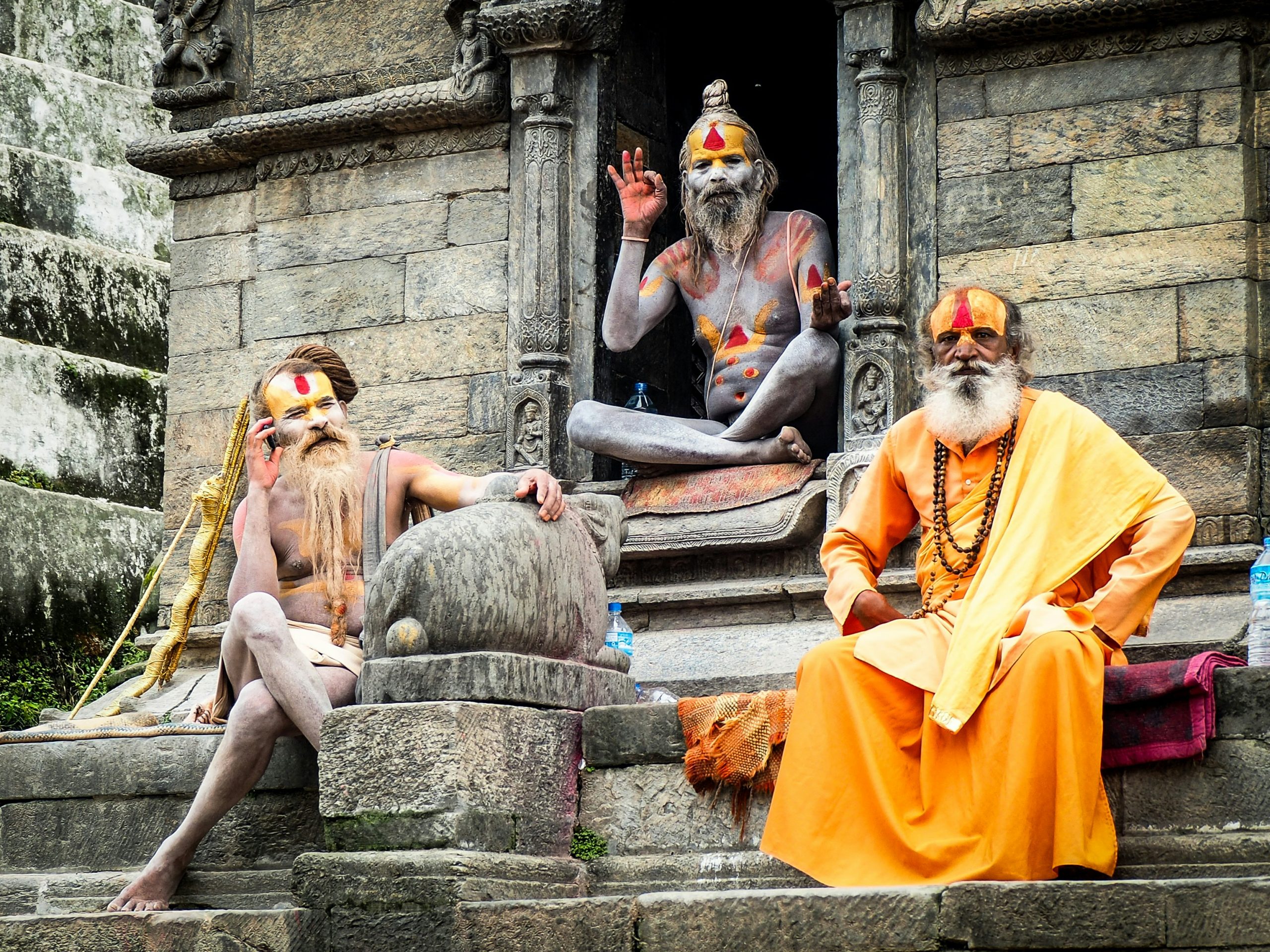
When the rupee steadies and the planes fill again, they will go everywhere. But they will go as Indians who know what India is. And that is the most powerful passport any student can carry.
This is not a detour. This is the destination.
This is not a detour. This is the destination.
Save Rupee, See India

Frequently Asked Questions
How are activities structured during a trip like this?
Every activity is designed around specific learning goals, using hands-on tasks, real-world challenges, and guided exploration to make STEM meaningful.
Are the certification programs recognized?
Yes! Our certifications are led by subject experts and aligned with global learning standards and Sustainable Development Goals (SDGs).
What age groups are best suited for these journeys?
We customize activities for levels from primary to high school, ensuring every student is both challenged and supported.
How can I enroll in these curriculum-aligned programs?
It’s easy! Visit happymiles.in and send us your query. One of our subject matter experts will reach out with all the details you need.
The programs sound amazing, but what about affordability?
At Happymiles, we believe quality education and life skills should be accessible to all — regardless of financial background. That’s why we offer flexible EMI options, scholarships, and seasonal discounts. We want students to focus on learning — and we’ve got your back every step of the way.
